
Protests have erupted across Iran in recent weeks, a consequence of the Iranian currency, the Rial, taking another hit to its value. Over the past year, the Rial has dropped around 40% compared to the USD. The protests that started on December 28 have resulted in casualties estimated to be in the range of several thousand, although this figure is unconfirmed. As a response to the protests, the Iranian government has caused a nationwide blackout since January 8, cutting off civilian access to the internet. Protests have come to a standstill after a brutal and deadly crackdown by government security forces, which caused widespread fear among the protestors. President Donald Trump has stated that if Iran continues to execute Iranian protestors, the US will intervene. Controversy has ignited over the prospect of US involvement in the conflict. On this topic, sophomore Habib Azamov said, “I think the US shouldn’t intervene because the US already has a lot on its plate, like with Russia and Ukraine and Israel and Palestine.” Questions over the impact of these protests have arisen, Ms. Weisz, the director of theatre, said, “I don’t think a singular event will change the course of history, but I think this is a series of events that can enact a real change.” With civilian deaths mounting, Iran’s future as well as the outcome of these protests is unclear, leaving Iran at a precarious point in its history.
Turmoil in Tehran
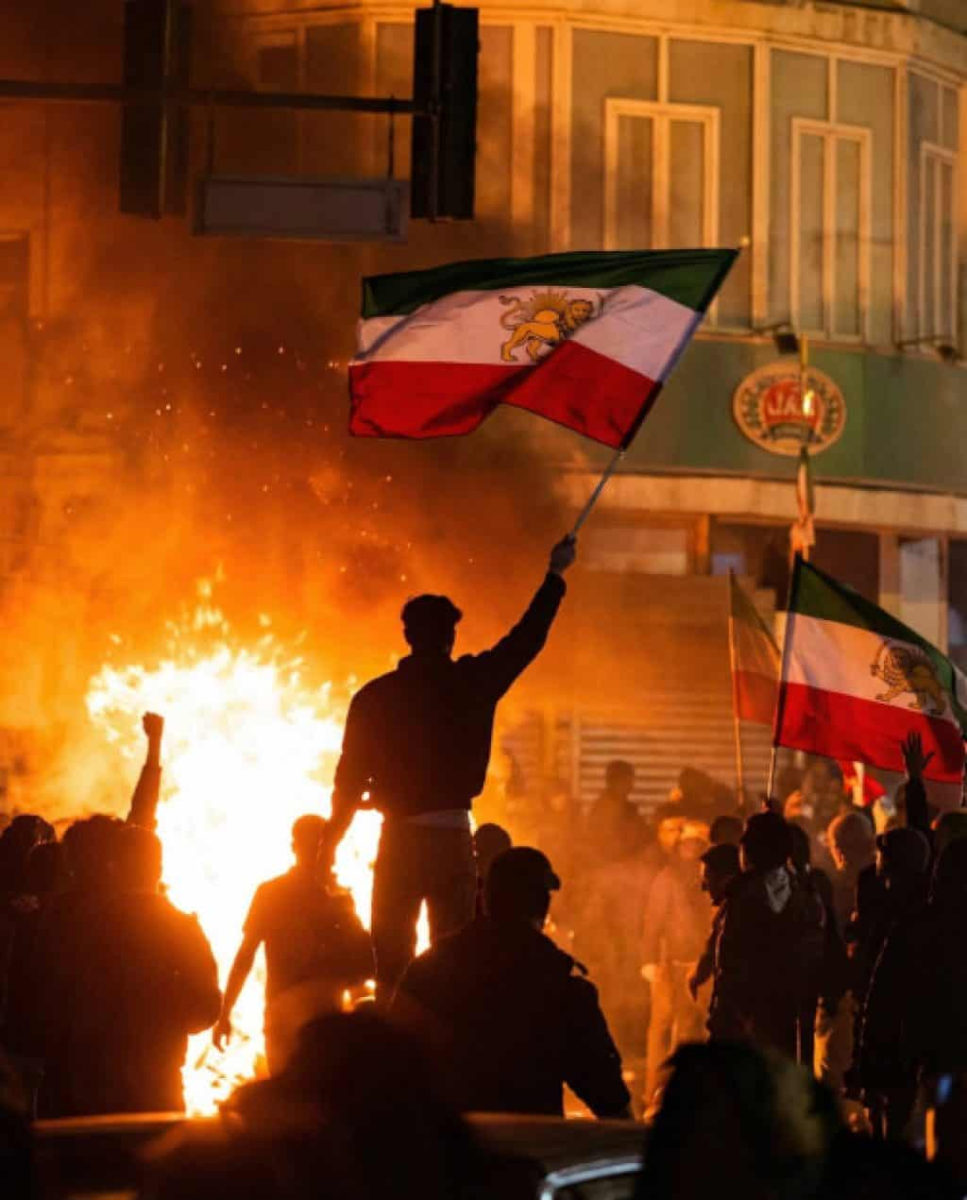
Wikimedia Commons
More to Discover
About the Contributor
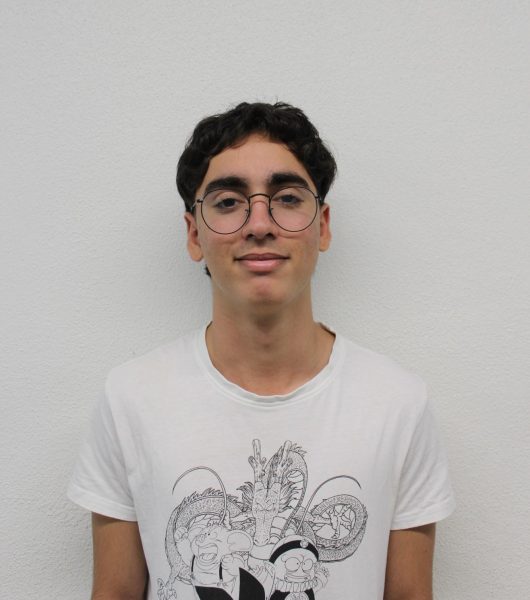
Omer Galili, Staff Writer
Omer Galili is a junior in La Jolla High School and this is his first year of journalism. He is excited to learn more about how to interview and report interesting stories. Journalism captivated him because it allows creative minds to succeed. His hobbies include, but are not limited to, video games, reading, writing and watching horse racing. This year he looks forward to using his writing skills and making them better while also having fun with his fellow peers.