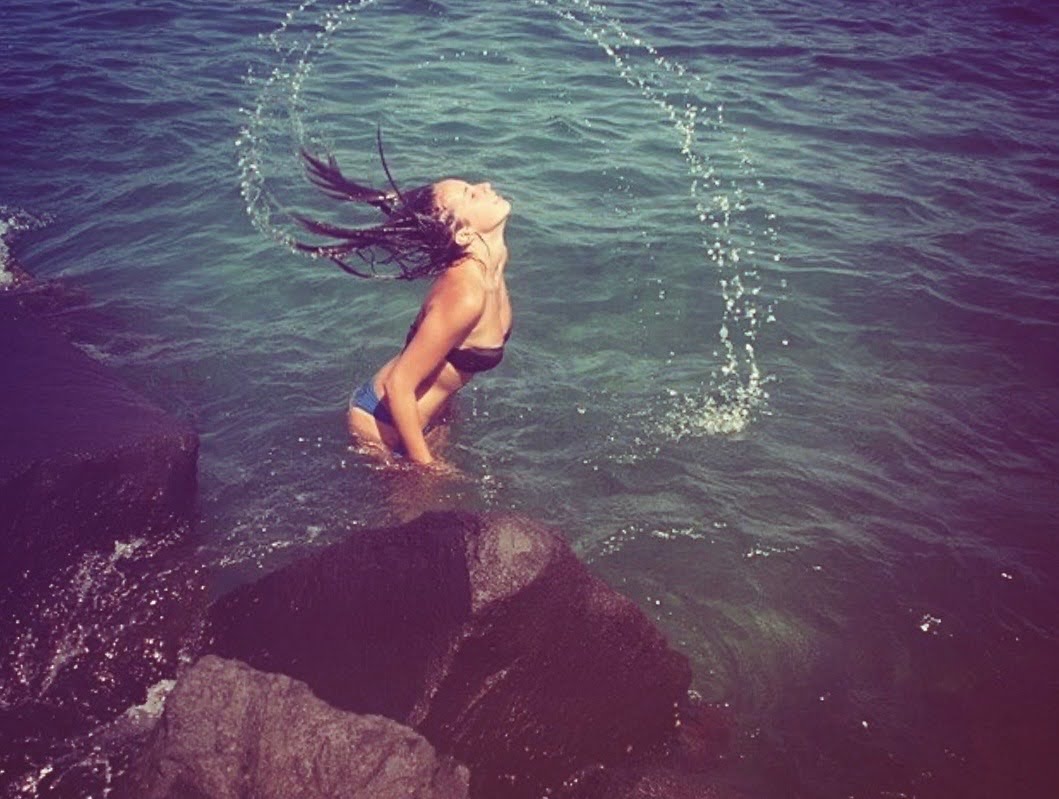
A recent trend that first gained its virality on TikTok has swept the internet, reaching everywhere from the music industry to large corporations. The new fad focuses on 2016 nostalgia like music from the era and popular 2016 filters. Senior, Maggie Hou commented on the trend, “I think it’s funny, and I think it’s good nostalgia.”
Mass nostalgia typically runs on a 20-30 year cycle, trends recycling every two decades or so. However, the recent 2016 trend has broken the cycle, closely following the recent 2000s nostalgia trend. This break has occurred due to how generally awful the world is today. American politics, humanitarian crises, and pollution are making the world’s future look increasingly grim. 2016 stands out in particular as it was one of the last times younger generations could be carefree, with 2017 and on spent dealing with Trump’s first presidential term and the pandemic. Skye Hassankhani, a senior, spoke about her nostalgia around the trend, “I remember a lot from that era, especially the music and being a kid.”
Above all, the trend has greatly affected the music industry, with popular 2010s songs like Fetty Wap’s “Trap Queen” and Justin Bieber’s “Beauty and a Beat” having surges in virality. Most notably, popstar, Zara Larsson, whose fame dissipated after the mid-2010s has returned to stardom after her 2016 song “Symphony”, along with several of her other 2010s songs, went viral on TikTok.
If our future doesn’t get any brighter in the coming years, the mass nostalgia cycle might repeat once again once the 2016 trend ends. When asked whether she thought the trend will last, freshman, Alanna Sweeney said “Probably not. I think it’s probably just something interesting that people want to do, and they will forget about it soon.” Only time will tell whether the trend continues through the rest of 2026.